Construction Equipment Rental in Ekaterinburg: Your Complete Local Guide
Renting construction equipment in Ekaterinburg is often the most efficient, cost-effective way to complete projects on time and on budget. Whether you’re working on residential developments in the city, road repairs in the suburbs, or industrial projects in the Ural region, choosing the right rental partner and equipment matters. This guide walks you through benefits, common machines, how to choose a supplier, practical tips, and site-safety considerations specific to Ekaterinburg.
Why rent instead of buy?
— *Lower upfront cost*: Avoid large capital expenditure and free cash flow for other project needs.
— *Flexibility*: Scale fleet size up or down as the project demands.
— *Access to modern equipment*: Rent newer machines with better fuel efficiency and emissions performance.
— *Maintenance and support*: Many rental companies include servicing and fast replacement in case of breakdowns.
— *Seasonal suitability*: Rent winterized or specialized equipment without long-term storage or upkeep.
Commonly rented equipment in Ekaterinburg
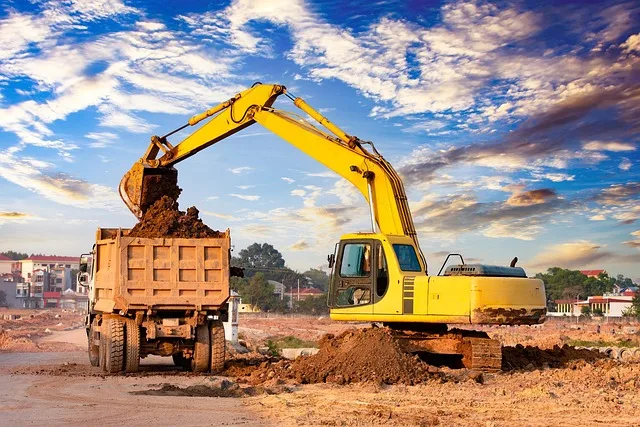
— Excavators (mini, midi, and heavy) — for trenching, foundations, and site prep.
— Wheel loaders and skid steers — loading, material handling, snow clearance.
— Bulldozers and graders — earthworks, roadworks and landscaping.
— Mobile cranes and truck-mounted cranes — lifting for construction and logistics.
— Concrete mixers and pumps — for foundations, floors and precast work.
— Compactors and rollers — road construction and soil compaction.
— Aerial work platforms and scissor lifts — facade works, electrical and HVAC installations.
— Generators, heaters and compressors — temporary power and climate control, especially crucial during harsh winters.
— Scaffolding, formwork and temporary fencing — safe access and site control.
Ekaterinburg-specific considerations
— Harsh winters: Ask for winterized engines, antifreeze-compatible fluids, battery warmers, and hydraulic oils suitable for low temperatures. Delivery schedules may be affected by snow and freezing.
— Urban access and permits: Central city jobs may need traffic management plans and municipal permits for crane placement and oversized deliveries.
— Industrial projects: Large factories and mining contractors can require heavy-capacity cranes and special attachments — verify availability in the supplier’s fleet.
— Logistical advantages: Ekaterinburg’s transport links make it easier to arrange timely deliveries across the Sverdlovsk region and the Urals.
How to choose the right rental company
— Reputation and references: Look for local reviews and ask for references from projects similar to yours.
— Fleet condition and variety: Inspect machines in person or ask for up-to-date photos and maintenance logs.
— Certification and compliance: Confirm that equipment meets safety standards and that operators (if provided) are certified.
— Delivery, setup and recovery: Confirm lead times, transport costs, site access requirements and who handles assembly/disassembly.
— Support and downtime policy: Understand response times for breakdowns and replacement equipment policies.
— Insurance and liability: Clarify what insurance is included and what liabilities you as the renter assume.
— Transparent contracts: Check hourly/daily/weekly rates, minimum rental periods, fuel policy, damage waivers, and cancellation terms.
Rental process — step by step
1. Define scope: List tasks, required capacities (lift height, dig depth, output), and project timeline.
2. Request quotes: Get multiple written estimates that include delivery, fuel policy, and insurance terms.
3. Inspect equipment: If possible, view machines before delivery or request recent maintenance records.
4. Confirm paperwork: Sign a clear rental agreement and ensure operator credentials if crew is provided.
5. Site preparation: Ensure access, ground bearing capacity, and safe storage for equipment.
6. Handover and training: Accept machines with an inspection report; request a short briefing on controls and safety.
7. Ongoing communication: Keep the rental company informed about any performance issues or schedule changes.
8. Return and inspection: Coordinate pickup, document condition, and resolve any damage reports.
Cost drivers to expect
— Equipment type and age — newer or specialty machines cost more.
— Rental duration — longer rentals usually reduce daily rates.
— Delivery distance, setup and disassembly fees.
— Seasonal demand — winter and peak construction months can raise prices.
— Accessories and attachments — hydraulic breakers, buckets, jibs, etc.
— Insurance, damage waivers and fuel usage policies.
Tips to save money
— Consolidate rentals with one supplier for volume discounts.
— Plan for longer, continuous hires rather than many short rentals when possible.
— Return equipment clean and with expected fuel levels to avoid penalties.
— Use the correct-size machine for the job — avoid overspecifying capacity.
— Negotiate bundled rates for delivery + operator + maintenance.
Safety, compliance and best practices
— Ensure operators hold appropriate certifications and are familiar with Russian safety regulations and site rules.
— Perform daily visual checks and document any defects.
— Use appropriate PPE and enforce exclusion zones around operating machinery.
— Keep emergency and recovery plans for cold-weather failures and fuel/glycol spills.
— Maintain clear communication between site supervisors and rental company service teams.
Example project scenarios
— Small residential renovation: Mini-excavator + compact loader + generator — fast delivery, short-term rental.
— Road repair in suburbs: Roller + grader + asphalt paver (or asphalt distributors) — requires traffic management and possibly municipal permits.
— Industrial plant maintenance: Mobile crane + specialized rigging + certified operators — coordinate with plant safety and confined-space teams.
Quick checklist before signing a rental agreement
— Confirm machine make, model and hour-meter reading.
— Agree delivery/pickup dates and site access details.
— Verify fuel, insurance and damage-waiver terms.
— Check operator certification (if operator included).
— Get contact for emergency repairs and replacement procedures.
Final thoughts
Renting construction equipment in Ekaterinburg gives contractors and project owners flexibility and access to a wide variety of machines tailored to the Ural region’s needs. The right rental partner can reduce downtime, improve safety, and keep projects on schedule — especially when you factor in winter readiness and local permit requirements. Take time to compare suppliers, inspect equipment, and clarify contract terms to ensure smooth operations from mobilization to demobilization.
If you’d like, I can:
— Recommend a short supplier evaluation template you can use in Ekaterinburg, or
— Draft an email request-for-quote (RFQ) you can send to rental companies. Which would you prefer?